Six Points to Controlling Your Anger
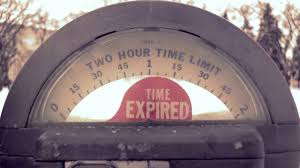
Some people can be very predictable when it comes to managing their anger. They are in control of their anger, or their anger is controlling them. It is not hard to know which buttons to push and which buttons to stay away from when it comes to dealing with someone whose anger meter can easily tip to EXPIRED.
Anger has its place since it is an important emotion to have. When we experience anger, we can become empowered to act on behalf of the rights of ourselves or those of others in a positive way. A constructive display of anger can change matters for the better. So, it is not the anger that gets us in trouble, but rather how we use it. As a result, especially in our fast-paced, need-it-done-yesterday, stressful society, many have manifested their anger in a reactionary, out of control exhibition of behavior. For example, the boss or supervisor gets under your skin, then you come home and kick the dog or possibly exhibit your anger in the form of road rage. Some may even resort to shouting or becoming physically aggressive towards a spouse, child, or anyone else who just happens to get in the way. Maybe the boss or supervisor is not the issue; however, there may be other triggers that set you off, causing your anger meter to run out of time. Such a situation can be brought on by an unpleasant memory or circumstance that was never resolved, which manifests itself in what may otherwise be an innocent encounter. Anxious feelings can escalate, intrusive thoughts may take over, and before you know it, an outward behavior, either verbally or physically, takes over, later leading to regret.
Knowing your triggers or red flags can be vital in deciding how you will deal with your anger: responsive and productive or reactive and counter-productive. If you do not know how to deal with your anger, get professional help, or take an anger management class as soon as possible.
Here are six tips to keep your anger in a more manageable place. Additionally, use the formula below to determine whether you are exhibiting reactivity or responsiveness in a given situation.
Six Points to Managing Your Anger
- Determine the possible root of your anger by asking yourself or an honest friend if your anger is valid. They can help you determine if you are looking for a fight, seeking revenge, or on the right track. Engaging another could also help you to calm down and think the process through rationally.
- Get more information, which can keep you from flying off the handle, putting you in a position to make a more informed decision. This point can also keep you from approaching the wrong party when addressing a situation.
- Take a time-out or call a truce with the other party to resume the conversation at a later agreed upon time. Doing so will allow you to remove yourself from a heated situation before it escalates, giving you (and the other) the opportunity to cool down and collect your thoughts. Remember, anger affects your mental, physical, and spiritual wellbeing. Seeking balance in these areas can set your internal atmosphere to engage in a more constructive external expression of behavior.
- If possible, plan (or role-play) if you think a particular encounter will result in your becoming angry, having no productive resolution to the problem at hand. Decide ahead of time that you will stay in control to reach the best outcome.
- You may choose to pray, seeking guidance and wisdom as to the best way to approach the situation.
- Take slow deep breaths as a calming measure, which can decrease the anxiety brought on by the anger.
Here is a little formula I came up with to help you keep your anger meter from expiring, by using the letter “a” in the word React and the letter “p” in the word Respond.
The Anger Meter Reader
REACT = Counter-Productive Trajectory (Reactivity) >> Escalation (Speeds the process up) >> Attitude >> Aggression >> Anger >> Attack = OUT OF CONTROL
VS.
RESPOND = Productive Trajectory (Responsiveness) >> De-escalation (Slows the process down) >> Peace >> Position >> Perspective >> Protection = UNDER CONTROL
Reactivity can produce a negative attitude, which can lead to an aggressive posture, giving rise to anger resulting in an attacking physical behavior or verbal outburst.
Responsiveness can initiate an atmosphere of peace, by backing off and positioning yourself to see the situation from a more productive perspective, which allows for protecting your integrity and safety and that of others.
“…take note of this: Everyone should be quick to listen, slow to speak and slow to become angry…anger does not bring about the righteous life that God desires.” James 1:19-20 (New International Version – NIV).
Until next time,
God bless
 Dr. V's Relationship Tips