10 Steps to Closing the Gap
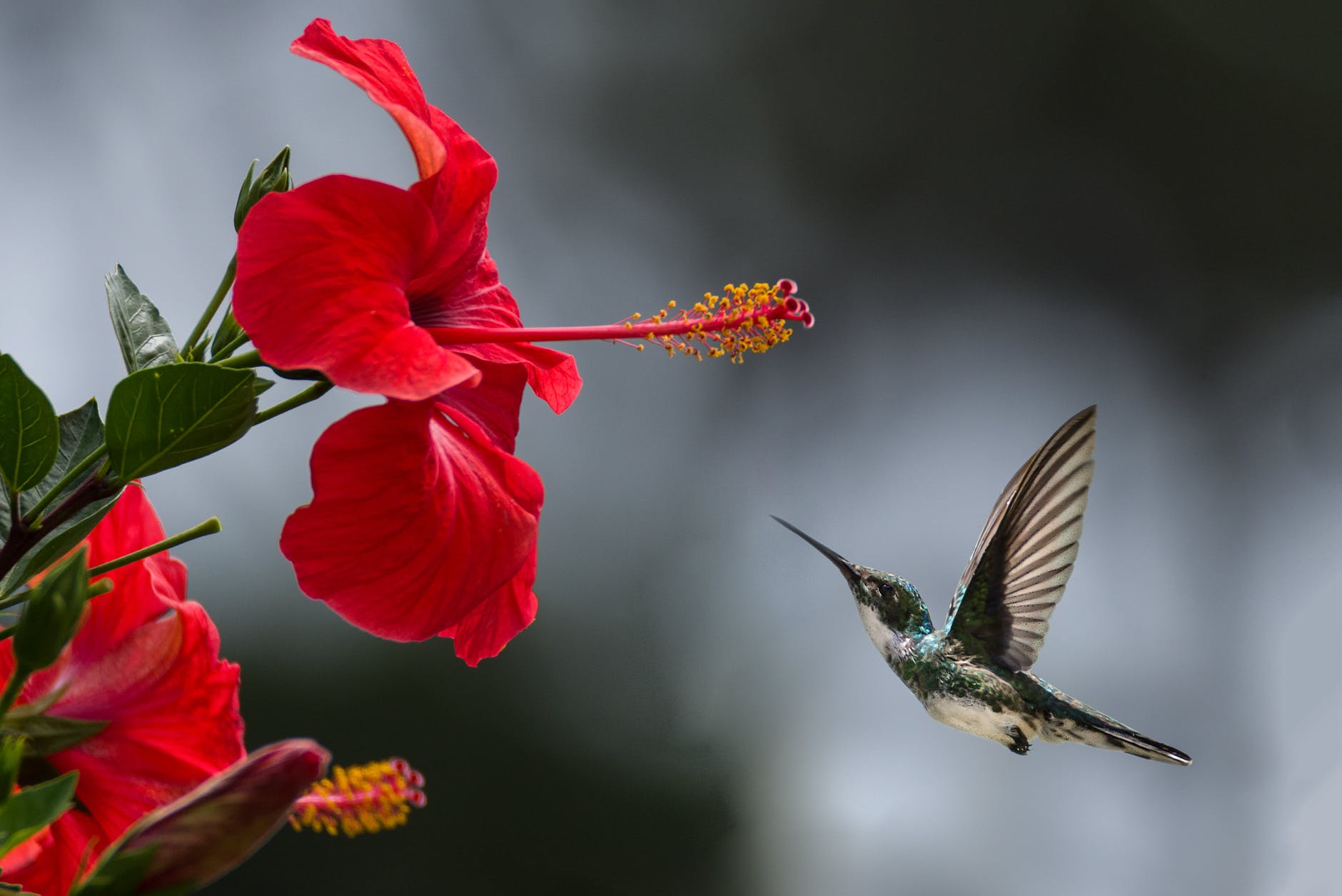
This summer, I purchased a beautiful blooming potted hibiscus. Just for the record, I had no experience caring for such a plant. So, after choosing the largest one, I said a quick prayer, “God, please don’t let me kill this plant,” as I meticulously wiped down my shopping cart with the store supplied spray sanitizer. Behind me was a woman who admired my hibiscus, noting how beautiful it was. I immediately responded, “Well, I hope I don’t kill it.” To this, she replied, “Don’t water it like you would a regular plant. That would be too much water at one time.” Don’t water a plant? Don’t all plants need water? I suspect she saw the confusion written all over my face. She then added, “Use ice cubes instead.” This helpful stranger had my attention. She explained that, “The ice cubes would allow the plant to absorb the water it needed gradually, from the melting cubes.” My unexpected helper spoke with expertise, especially since she added, “This is how I water mine.” Oh, happy day, I thought and thanked her for the advice. The timing was perfect, right after my quick prayer. My plant now stood a chance for survival. I would have given this gorgeous specimen the full sunlight recommended on the attached care tag; however, the label mentioned nothing about watering it with ice cubes!
As I exited my favorite big box store, I felt empowered and confident with my hibiscus purchase. Once home, with ice cubes in tow, I placed this beautiful expression of nature’s flora in its new environment – still potted – in my backyard. I thought that the plant would need some time to become acclimated to its new surroundings. After about two days of making sure my hibiscus was still alive, I found the sunniest spot in my yard that I could – dug a hole, planted my hibiscus, and placed ice cubes all around it. I watched it like a hawk for the next few days – still in the land of the living and blooming! I took extra precaution by placing my once potted lovely safely within the boundaries of a fake wrought iron looking plastic enclosure so that my husband would not accidentally mow it down.
During this “new normal” existence urging us to avoid close physical contact with those outside of our COVID-19 safe “bubble,” such expressions as hugs, a handshake, or a kiss on the cheek by a friend have become No-Nos. Such social distancing can also affect how we feel emotionally, resulting in being emotionally disconnected. How sad, since our first introduction into this world is by touch.
Given this, let’s explore the following 10 Steps to closing the emotional distancing gap from my hibiscus purchase perspective.
- Attraction – I was drawn to the hibiscus I chose. The abundance of its blossoms and radiant deep pink color attracted me. What attracts your attention? What are you drawn to? To close your emotional distancing gap, maybe you could consider connecting with a worthy cause, something that would pique your interest in a positive direction. For example, you may want to engage with an online social network to address the needs of those less fortunate than yourself, a book club (you could start your own) on ZOOM, or a prayer group to encourage and to be encouraged.
- Choice – The hibiscus, sitting there basking in the afternoon sun, did not choose me. How could it (it’s a plant)? However, based on being attracted to it, my decision to choose was simultaneously activated. Does it look healthy? How many blooms are on it? It would be better to get a healthy-looking one than one that looked like it was already dying – even before I get my hands on it. Measure the pros and cons. When choosing, you may want to consider how much work it would take on your part. If the cons outweigh the pros, if you do not have the time, energy, or in some cases, the money – walk away.
- Introspection – I knew that there would be a more than average possibility, given my lack of green thumb skills, that I could cause this wonder of nature to wither and die. Knowing what your strengths and weaknesses are, require an accurate assessment of yourself. Being aware of your red flags can put you in a better position to alert you to any patterns you may not be aware of, which could undermine your endeavors to close the emotional gap. You may have to pray about it.
- Advice – Although the advice given by the friendly hibiscus expert was not solicited, it was helpful. Her input allowed me to see where self-improvement and knowledge would lead to a better outcome. After your introspection, ask someone you trust or someone you feel comfortable with to share with you those things about you that you may not be aware of in yourself. By allowing yourself to be transparent and open to constructive feedback, you could find a more productive way to engage with others and yourself. Introspection could work out to be a win-win situation.
- Investment – Aside from the monetary investment of purchasing the hibiscus, ice cubes, and the plastic enclosure, I also had to invest the time to care for it, dig a deep enough hole to place it in, and find the right location for it in my yard. Do not sign up to close the emotional gap if you are unwilling to invest in a positive outcome. I could not leave it up to my blooming beauty to tell me what to do. If you are not willing to invest in closing your emotional distancing gap – do not expect others to invest in you with no reciprocity on your part. You are not a plant.
- Acclimation – After bringing my newfound venture home, I thought it needed an opportunity to become accustomed to its new surroundings. So, before placing it in the ground, I let it sit outside for a couple of days, on ice, just to get a feel for the lay of the land. Closing the emotional distancing gap would require a getting to know you period, which could allow you and those involved the opportunity to feel comfortable enough to move forward in establishing future involvement. More introspection or a wait and see where this new endeavor could or could not go, may be needed to do this.
- Accommodation – When accommodating the needs of my new plant, I lost no sense of who I was. I accepted the fact that the hibiscus is a plant and addressed it from that perspective. Deciding to interact with others does not mean that you forfeit your individuality just to belong. The accommodation process allows you to see others as they are and where they are in their sense of self. When closing the emotional gap, know the uniqueness that you bring to the endeavor – without being overbearing or desiring the spotlight all the time. Your light will shine through the positive expression of your individuality – embrace it.
- Engagement – Learning that my lovely hibiscus would fare better when I used ice cubes allowed me to engage in a way that would cultivate growth in the plant. It may be beneficial to realize that your role could involve reading between the lines without judgment towards the other. The engagement could also initiate a two-way street atmosphere, where sometimes you are the listener and not the speaker, which could avoid it being all about you.
- Patience – Once I planted my hibiscus into the ground, removing any rocks nestled deep in the soil, pulling up some developed roots from nearby shrubs, and weeding the area, I waited for about two weeks to see if my efforts were in vain. I routinely inspected the plant for any evidence of brown leaves, no blossoms, and new buds. It may or may not take two weeks to know if your efforts to close the emotional gap have been worthwhile. However, given that no one is perfect, it may take a little patience, not rushing the process to see what evolves. If patience is not your thing because you need immediate results, you may want to consider something less involved, which does not require immediate gratification. You may want to explore another focus to close the gap or ask yourself, Why?
- Tweaking – Some fine-tuning or adjustments may be needed to close the gap. Finding the just-right sunny spot was crucial to allow my plant to thrive. I was aware of areas in my yard that would not give the necessary sunlight needed, so not just any spot would do. In your quest to close the emotional distancing gap, you may have to do a bit of tweaking. Where would you like this adventure to go? What would be most beneficial to all (yourself included) involved? Are there any undue expectations on your part or that of the other(s)? What clarification do you need? The tweaking process could clear up any misunderstandings, pointing you in the right direction to foster growth with a positive trajectory.
I hope that these ten steps will help you close your emotional distancing gap while maintaining appropriate physical, social distancing.
By the way, I am pleased to report that my hibiscus is still alive, having survived me and the lawnmower.
God bless and be safe.
“Two are better than one, because they have a good return for their labor: If either of them falls down, one can help the other up. But pity anyone who falls and has no one to help them up.” Ecclesiastes 4:9-10. New International Version (NIV)
 Dr. V's Relationship Tips